

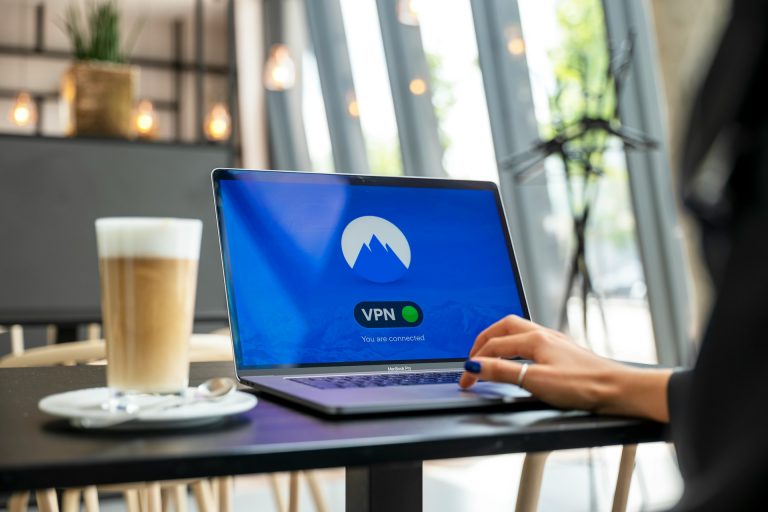
A VPN, or virtual private network, is one of those terms everyone uses and few people can actually explain. For anyone heading into IT or cybersecurity, understanding how a VPN works at a technical level, not just what it does for a consumer app, is foundational knowledge that shows up constantly in networking and security roles.
A VPN creates an encrypted tunnel between your device and a remote server. Instead of your traffic traveling openly across the internet where it could be intercepted, it is wrapped in encryption and routed through that tunnel first. Anyone watching the network sees encrypted traffic to a VPN server, not the actual sites or data you are accessing.
The core pieces:
Consumer VPN ads focus on privacy and streaming access, but in an enterprise setting, VPNs are core infrastructure. They let remote employees securely reach internal company resources, connect branch offices over the public internet without leasing private lines, and enforce access control before traffic ever touches internal systems.
This is why VPN configuration and troubleshooting appear constantly in networking roles and on both Network+ and Security+ exam objectives.
A common point of confusion: a VPN grants broad network access once connected, while zero trust architecture verifies every request individually regardless of network location. Many organizations are layering zero trust principles on top of VPN access rather than replacing VPNs outright. If you want the deeper breakdown on zero trust specifically, CIAT has existing coverage of that topic elsewhere on the site.
No. A firewall filters traffic in and out of a network based on rules. A VPN encrypts traffic between two points. They are complementary, not interchangeable.
Yes. VPN setup, troubleshooting, and configuration are standard tasks for network administrators, help desk technicians, and security analysts, and appear directly on CompTIA Network+ and Security+ exam objectives.
A site-to-site VPN permanently connects two networks, such as two office locations. A remote-access VPN connects a single user’s device to a network on demand, the type most employees use to work from home.




401 Mile of Cars Way #100, National City, CA 91950
1717 Louisiana Blvd., NE., Suite 208 Albuquerque, NM, 87110
California Institute of Applied Technology participates in the State Authorization Reciprocity Agreements.
© 2026 California Institute of Applied Technology | info@ciat.edu | (877) 559 - 3621 | Privacy Policy
California Institute of Applied Technology has shared ownership and management of two distinct institutions. California Institute of Applied Technology located in California, and California Institute of Applied Technology located in New Mexico.
GI Bill® is a registered trademark of the U.S. Department of Veterans Affairs (VA). More information about education benefits offered by VA is available at the official U.S. government website at https://www.benefits.va.gov/gibill. CIAT is approved to offer VA benefits. Financial aid is available for those who qualify.
* Students are encouraged to take certification exams while actively enrolled in their Bootcamp, Certificate or Degree program. Unlimited certification exam attempts expire 180 days after program completion. Select exams are not eligible for unlimited retakes - see certification exam policy for details. Industry certifications and/or courses may change at any time to address industry trends or improve student outcomes.
